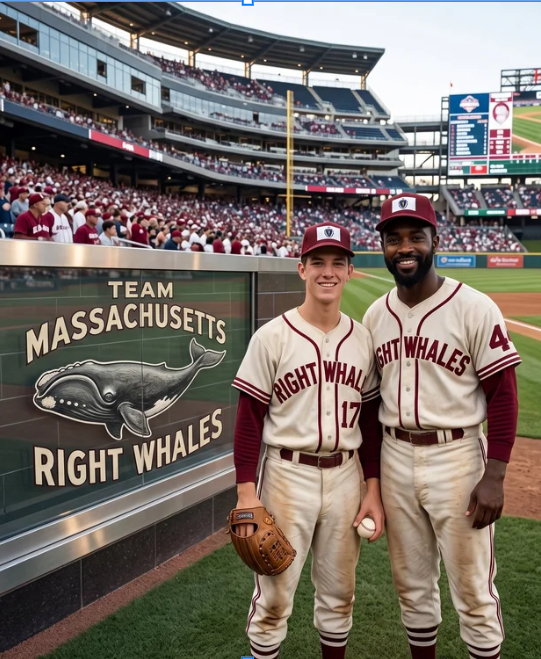
The opportunity
Professional baseball, with state pride as the scoreboard.
A new national sports property built on a question every fan already has an opinion about: which state plays the best baseball?
The thesis
Three conditions make this the right moment.
01
A talent surplus
A smaller affiliated minor-league system and a shorter draft leave many capable American players without a clear professional path on a national stage. They are ready to compete now.
02
An identity fans already own
Established leagues compete on franchises and history. State identity needs no introduction: every fan arrives with a team, a rival, and a reason to care. There are no trades, no portals.
03
Demand for the full event
Families weigh the total cost of a night out. A professional game, a state rivalry, and live entertainment in one ticket is a clear value proposition.
In brief
Professional baseball is the foundation. Entertainment enhances the game and never interrupts it.
Each state brings its team and its culture: musicians, comedians, creators, and hometown personalities.
A proposed ticket of about $30 is designed to make a full evening accessible.
State rivalries generate content well beyond the stadium, for sponsors and media partners.
Four states in 2028 test the model before national expansion.
Our Founder’s Board inlcudes Emmy and Grammy Award Winners, NCAA Wrestling Hall of Fame Member, 2 World Series MVPs, and a Sports Illustrated Promotion of the Year Award Winner
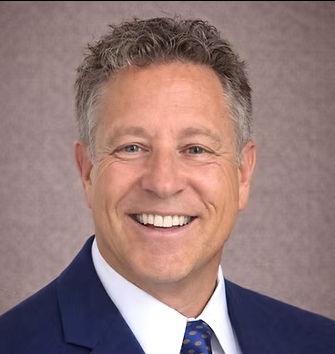
Kelly Kleinman
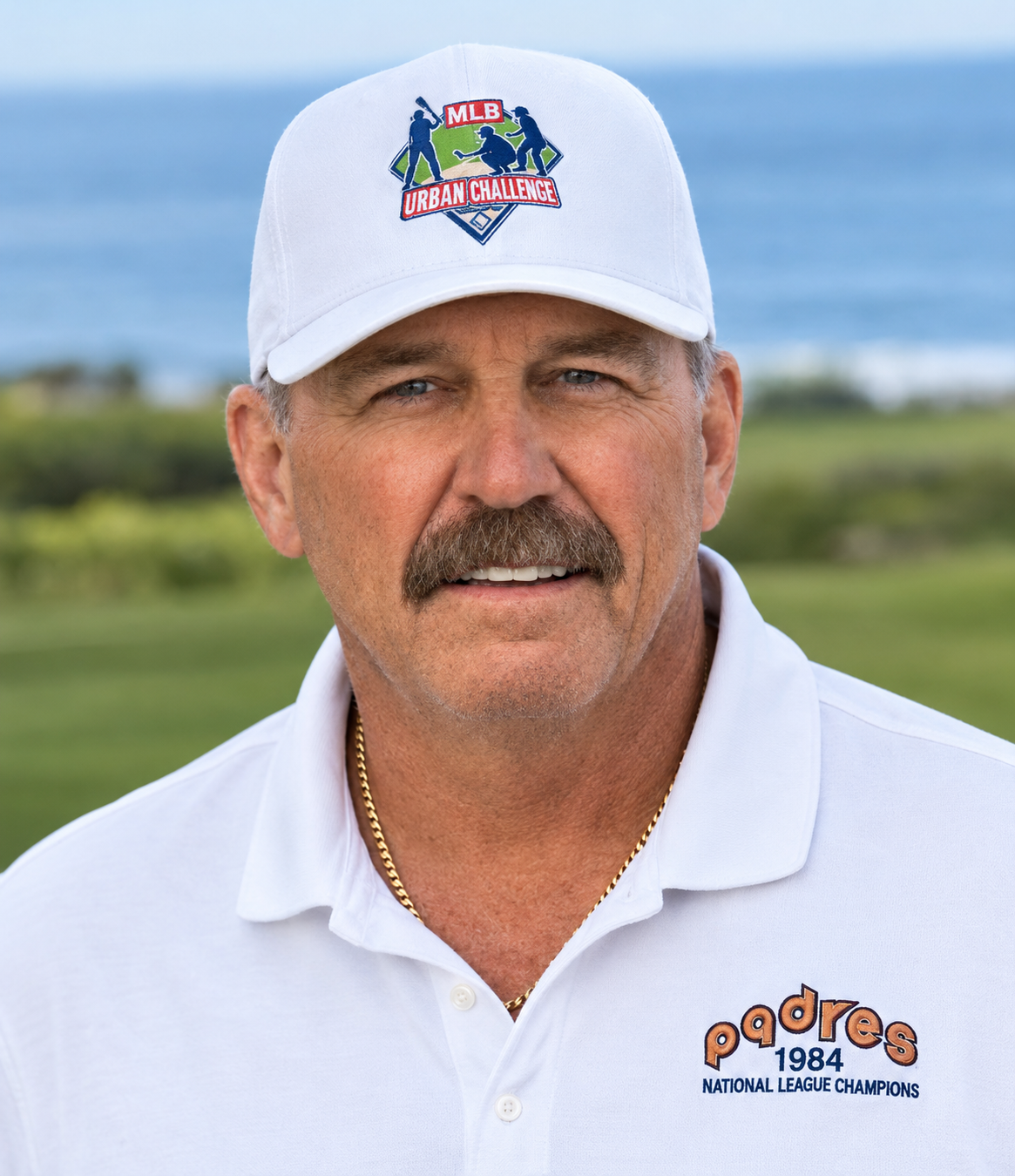
Kurt Bevacqua
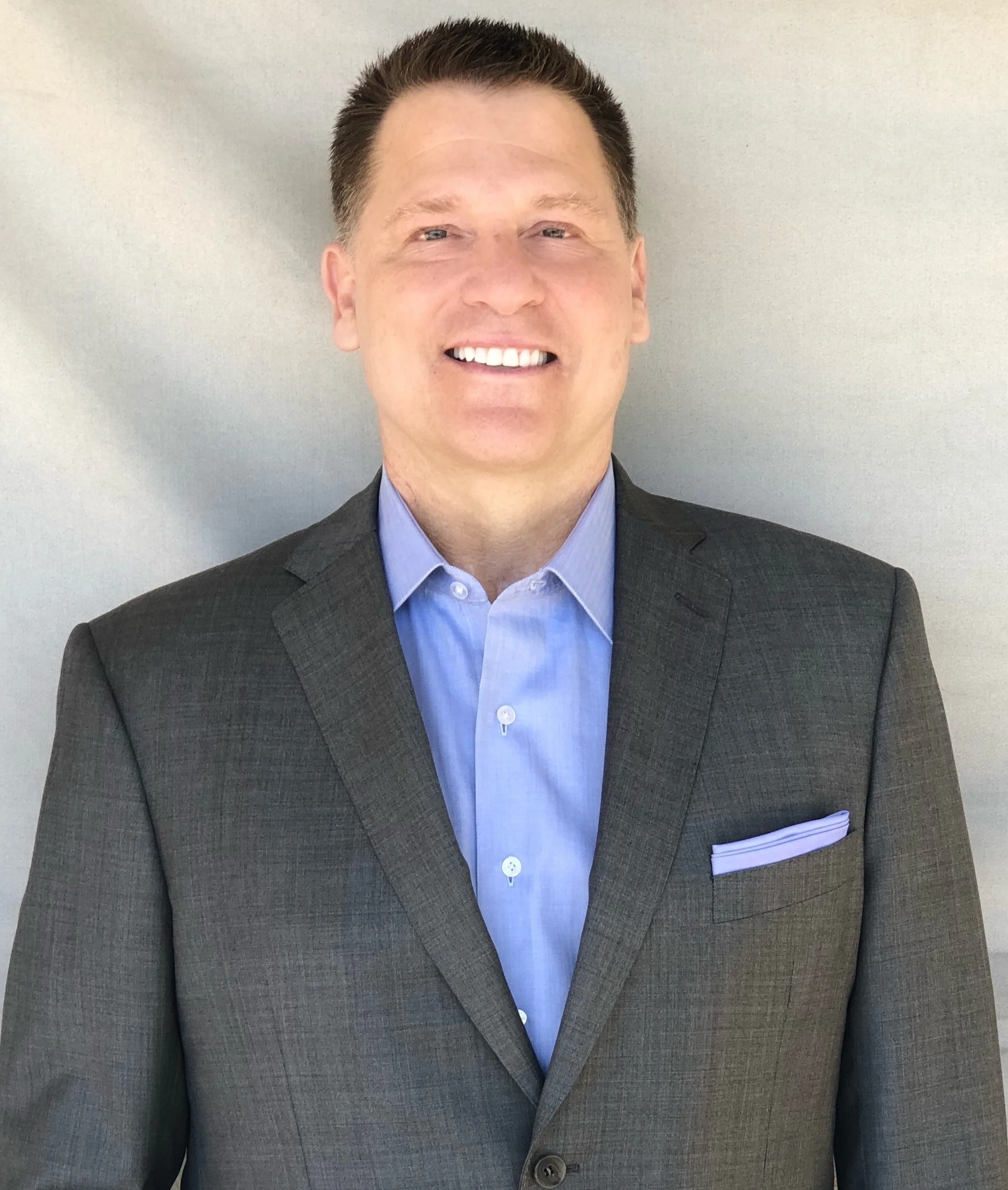
Jonathan Koch
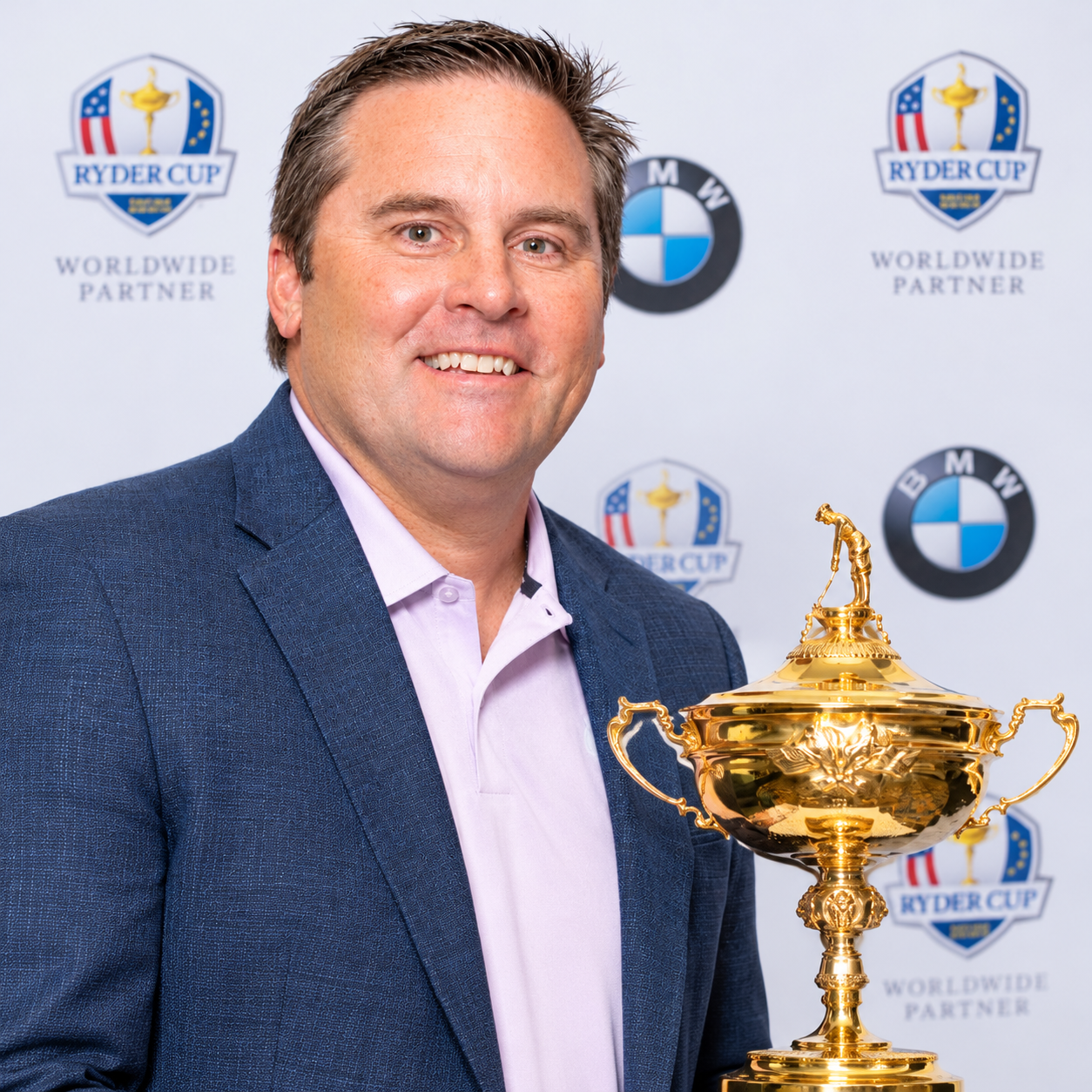
Brian Decker
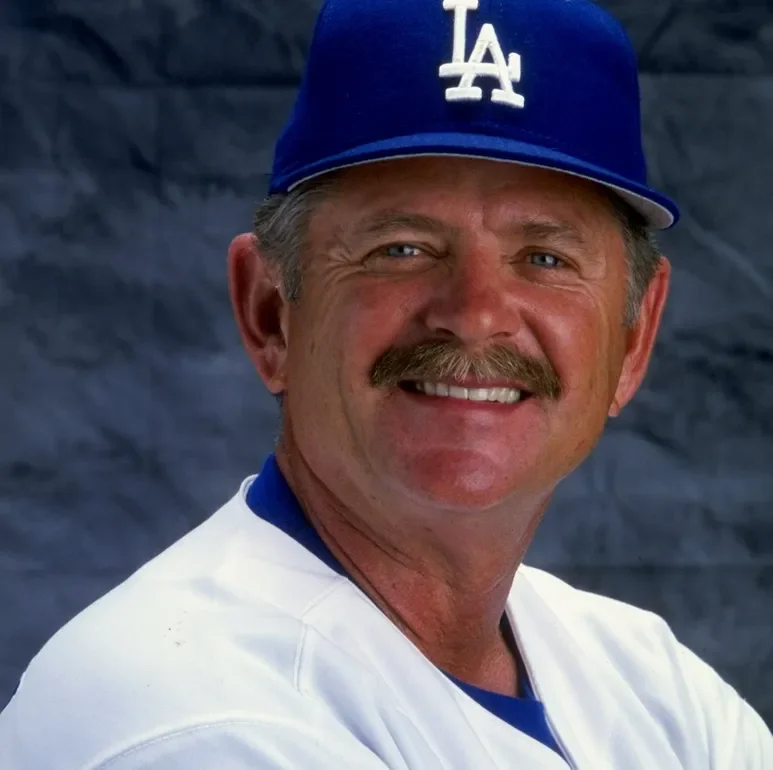
Rick Dempsey
Ed Eckstine
Where professional baseball meets the future of live sports.
Kelly Kleinman
Founder, America’s Baseball Classic
Fans want more than a seat in a stadium. They want an experience, a connection to the event, a reason to bring their families, and something worth talking about long after the final score.
There is an important difference, though, between making a sporting event more entertaining and compromising the sport itself. At America’s Baseball Classic, we believe we can do both well: preserve the competitive intensity and professional skill that make baseball great, and build a broader experience that brings in new audiences.
Our vision is simple: fifty states, fifty teams, one national champion. And our ambition is larger than another tournament. We are building an American sports and entertainment property that celebrates baseball, state identity, and the people who make each state unique.
The game always comes first
The talent on the field, the strategy in the dugout, the pressure of a meaningful at-bat, and the pursuit of a championship must stay at the center. We do not need to change the essential nature of baseball. We need to build a more compelling event around it.
Players should compete at the highest level they can bring. Managers should be focused on winning. Fans should feel the tension of a close game and the emotion of representing their state. Entertainment belongs in pregame celebrations, planned breaks, and postgame events, where it enhances those moments rather than distracting from them.
The competition stays serious. The atmosphere gets bigger.
Every state brings its own stage
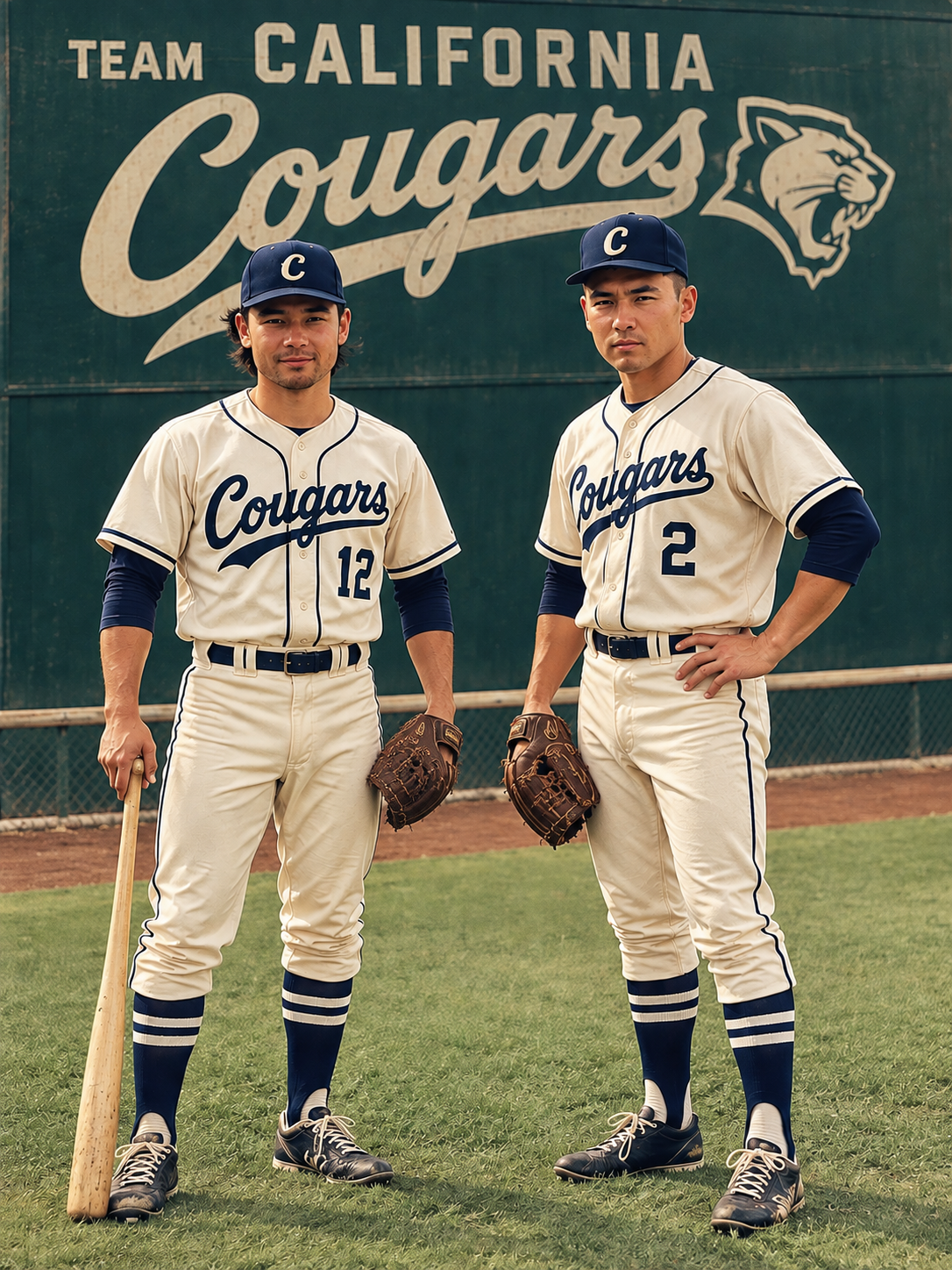
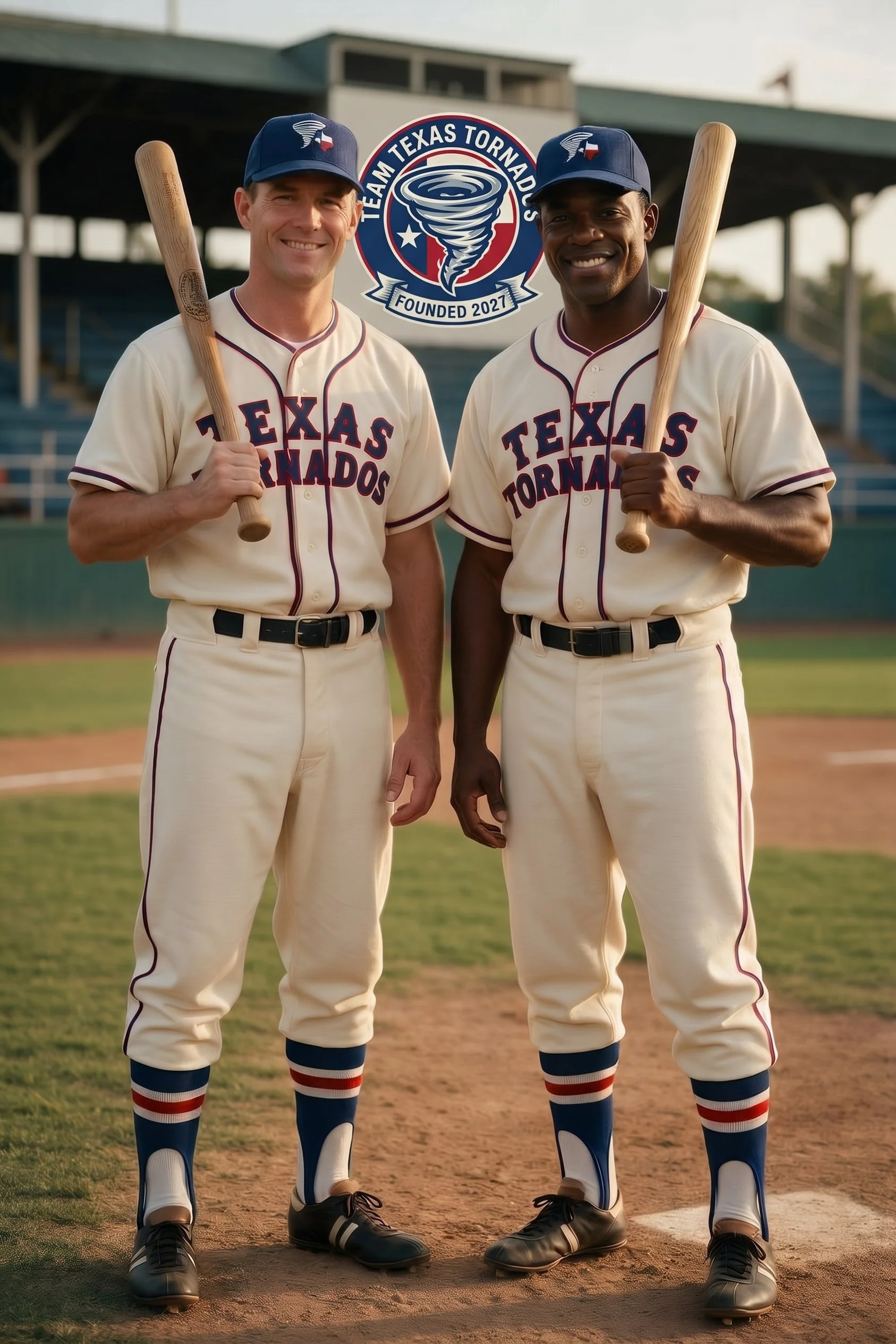
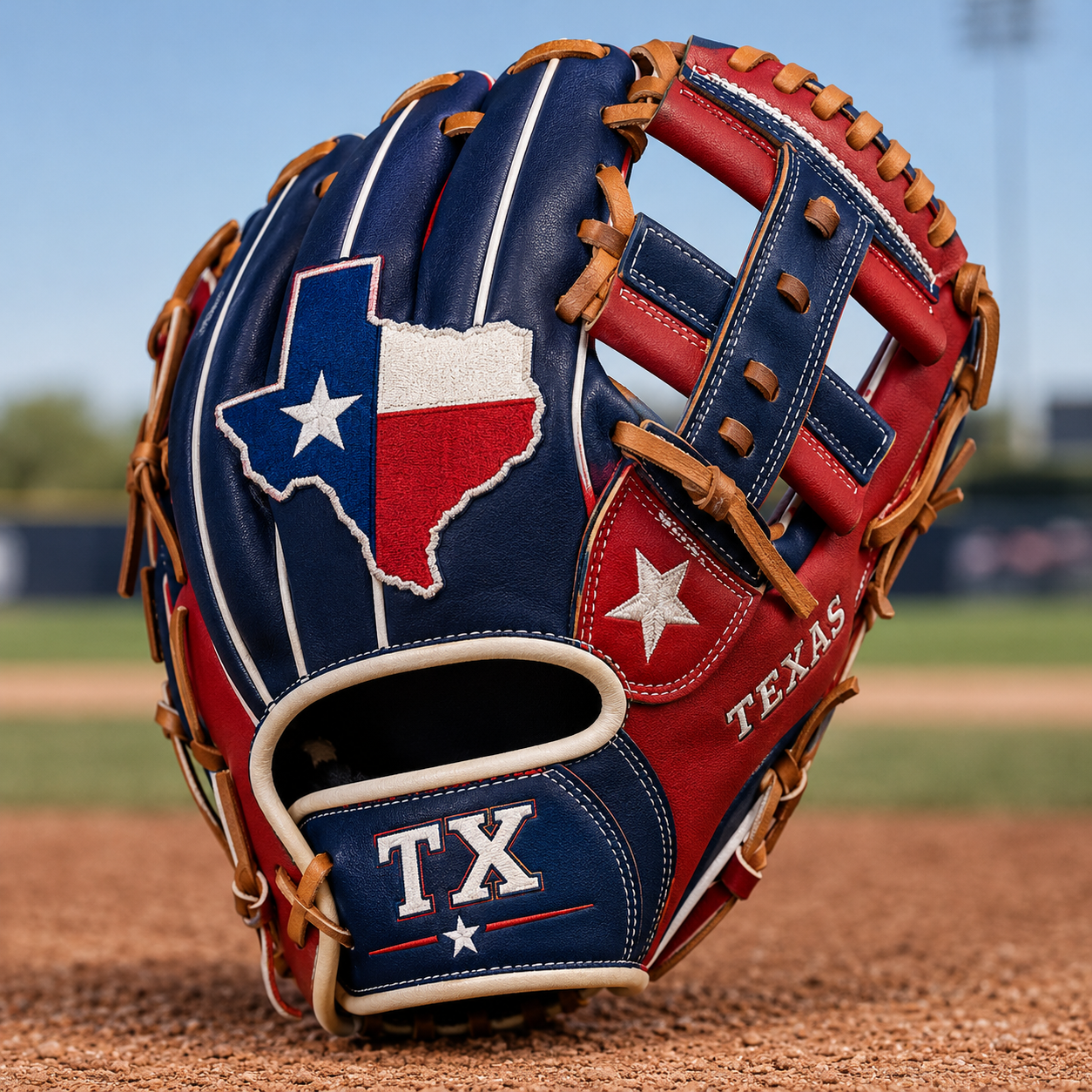
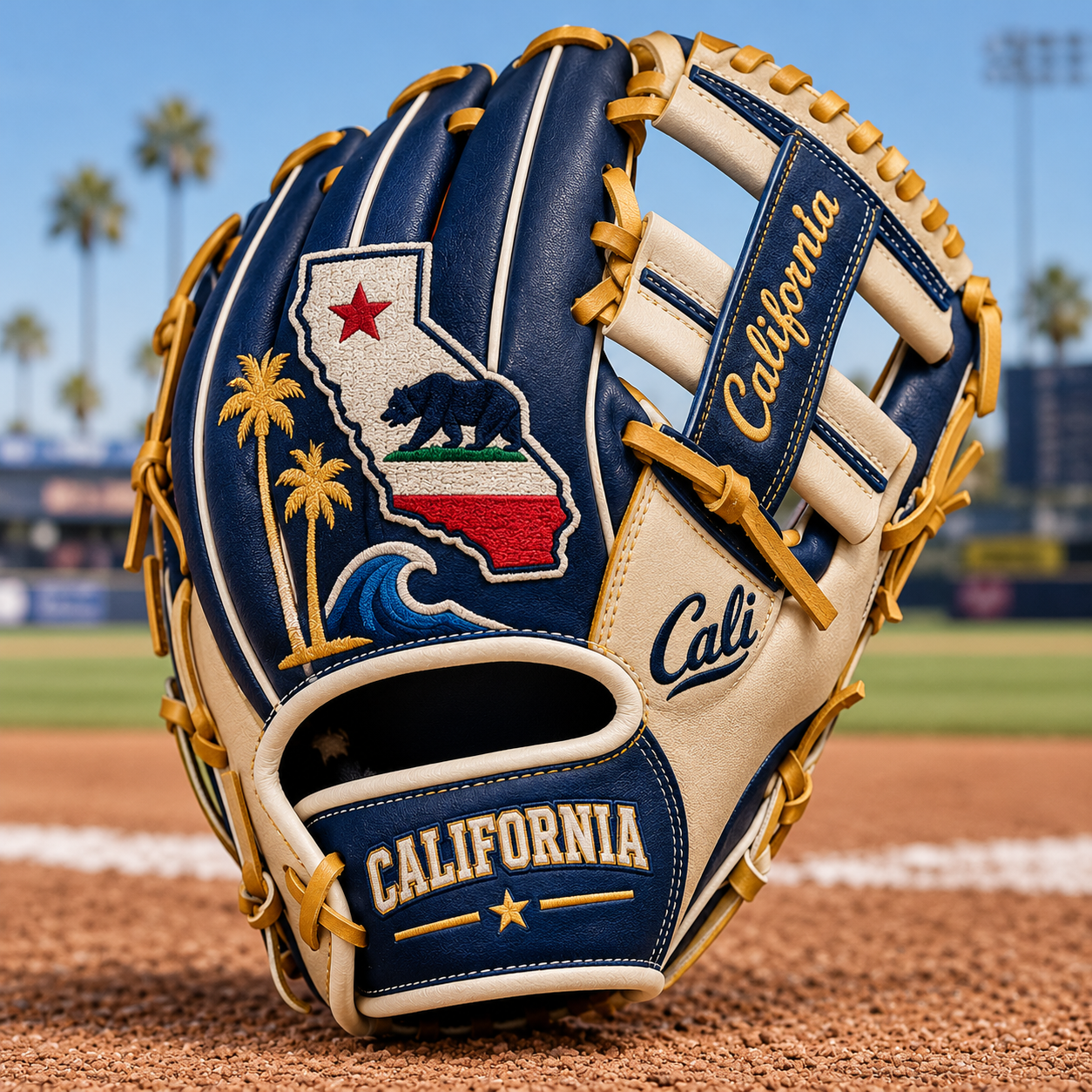
Imagine California playing Texas, and each state bringing more than a baseball team. A Texas artist performs before first pitch. A California comedian hosts a fan segment. Regional personalities help tell the story of the rivalry, introduce players, and create content that travels far beyond the ballpark.
These opportunities need not be limited to national celebrities. Emerging musicians, regional performers, and digital creators can reach new audiences on a professional sports platform. For fans, that is another reason to attend. For performers, another stage. For the Classic, a richer story about every state.
A more valuable ticket
Families weigh the full cost of attending: tickets, parking, food, travel, and merchandise. A ticket has to represent real value. We are planning around a proposed price of about $30, with the goal of an event that is accessible and clearly worth the cost.
That ticket would include professional baseball, a state-versus-state rivalry, live entertainment, and fan experiences. Not every game needs a headline concert; the model is a deliberate mix of local talent, select featured performances, and compelling baseball, with entertainment costs kept in proportion to the event’s economics. The goal is not simply to sell more tickets. It is to give people more reasons to buy them.
State pride is the differentiator
People have a natural connection to their home state: its culture, its music, its communities, and its rivalries. Baseball can be the competitive centerpiece of that identity. California versus Texas is more than a line on a schedule. It is a story fans will debate, promote, and make their own.
That opens the door to original content, social campaigns, local partnerships, merchandise, community events, and collaborations with artists and creators who already have audiences of their own. Each state becomes both a baseball team and an entertainment identity.
A different proposition for sponsors and media
For sponsors, the Classic combines live sports, local-market engagement, state-based campaigns, and entertainment content. A brand might present a pregame performance, a community clinic, a fan zone, or a video series featuring players and entertainers from participating states — meaningful experiences, not just signage.
For media and streaming partners, the competition provides the stakes, while rivalries, player stories, performances, and behind-the-scenes access provide the narrative. Content can begin well before first pitch and continue after the final out. These are opportunities to develop, not outcomes to assume. They will depend on the right partners, talent relationships, and production plan. The underlying idea is strong: a live baseball event can generate stories that extend well beyond the game.
Built to grow
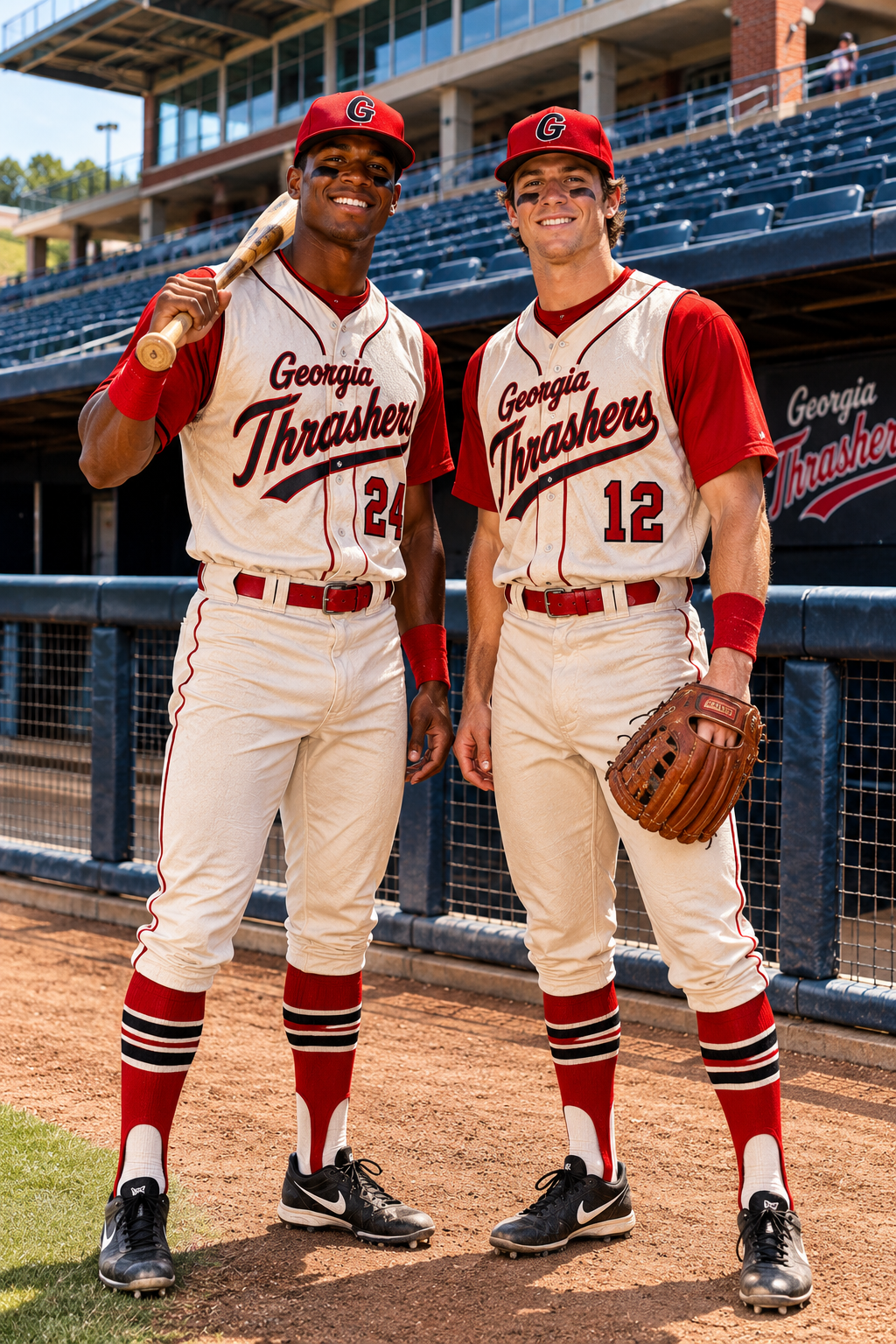
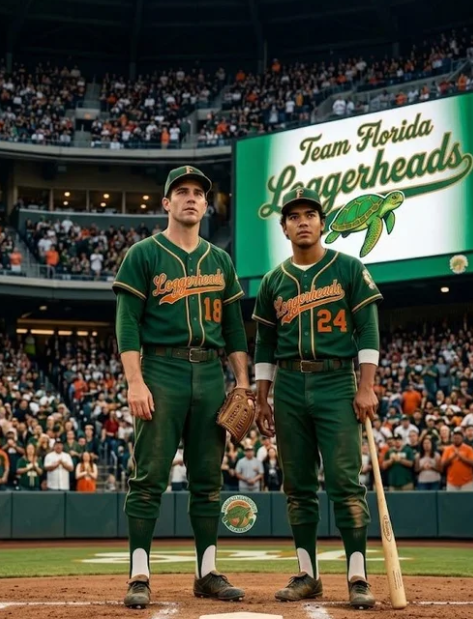
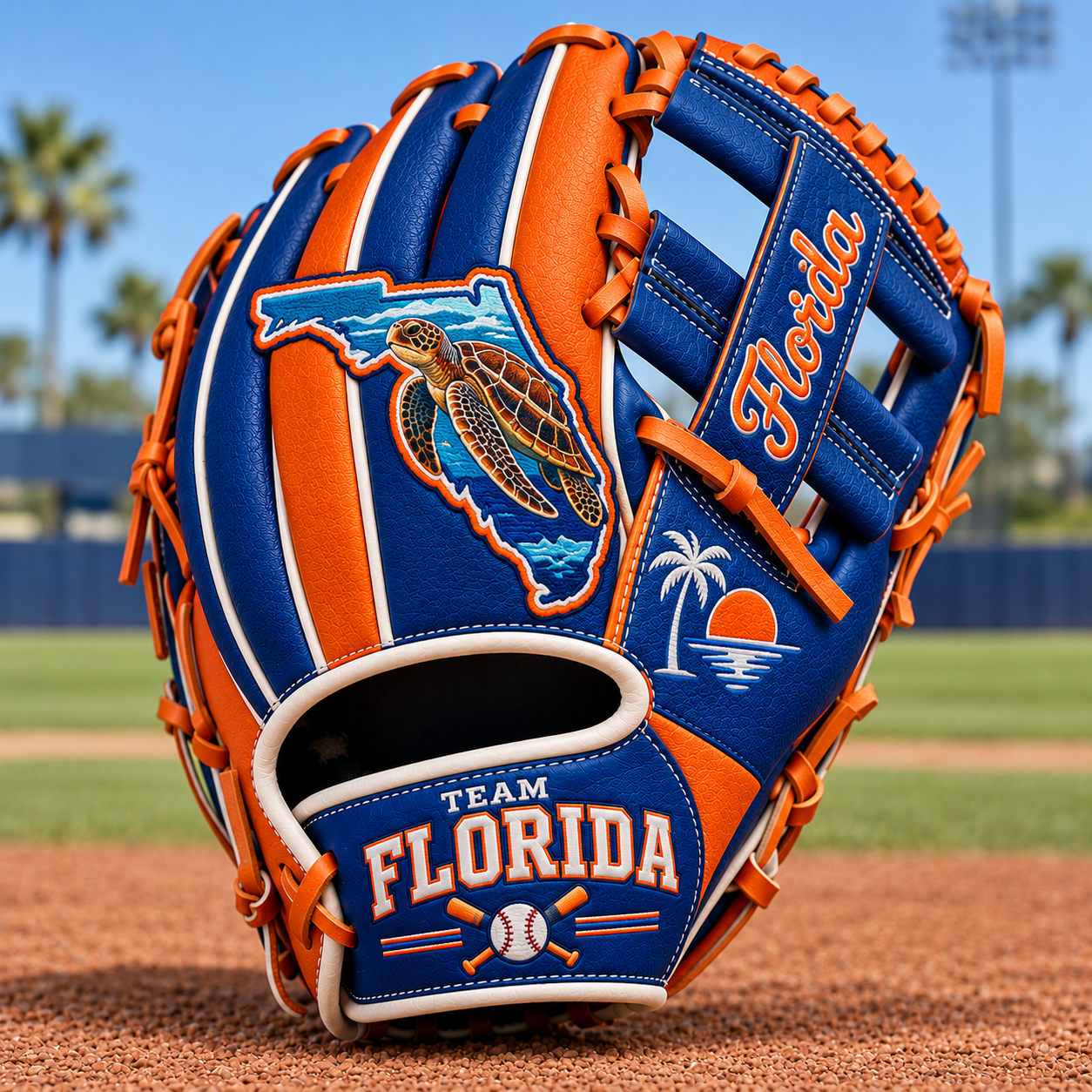
We are targeting an inaugural four-state competition in 2028 featuring California, Texas, Florida, and Georgia. That footprint lets us test the model, learn what resonates, and refine an event that can be repeated and scaled.
We want the baseball to be credible, the competition to matter, and the experience to be memorable. We want families to leave saying the game was exciting, the atmosphere was terrific, and the evening was worth the price of admission. The future of live baseball does not have to choose between competition and showmanship. It can deliver both.
Kelly Kleinman